Steady rent for 25-35 years
Long-term lease income, usually with a 2% increase in rent each year.
Earn long-term rent from land you already own. We match your property with the developers best suited to it, at no cost to you.
No cost - No obligation - Reply within 1 business day
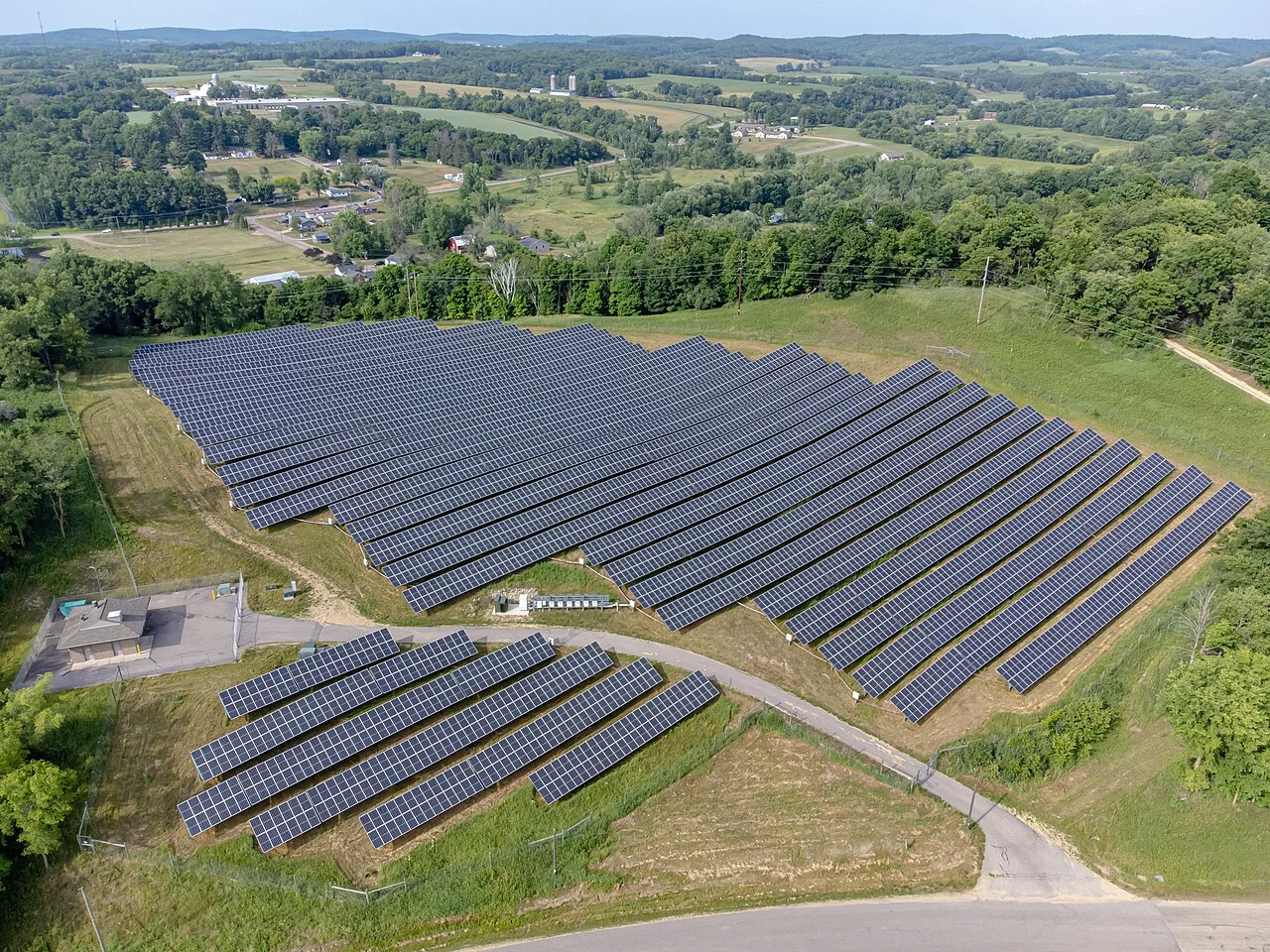
Long-term lease income, usually with a 2% increase in rent each year.
Option payments begin when you sign the option, and they’re yours to keep even if the project isn’t approved.
One conversation puts your property in front of several leading developers, not just one.
Developers pay our fee. You also get up to $2,500 reimbursed for your own attorney to review the contract.
Keep using your land while the developer works through approvals. You’ll get notice before construction.
The developer pays project-related taxes and crop damage, and must remove everything and restore the land at the end.
Not sure? Send it anyway. We check the utility, power lines, and parcel details for you.
Have a smaller space in northern Illinois? See battery storage sites →
The developer pays you option payments while it studies the site and gets approvals. You keep farming. If the project isn't approved, you keep the option payments.
You receive a large one-time payment when construction begins.
You receive annual rent, usually per acre, often with yearly increases. The developer pays project-related taxes and must remove everything and restore the land at the end.
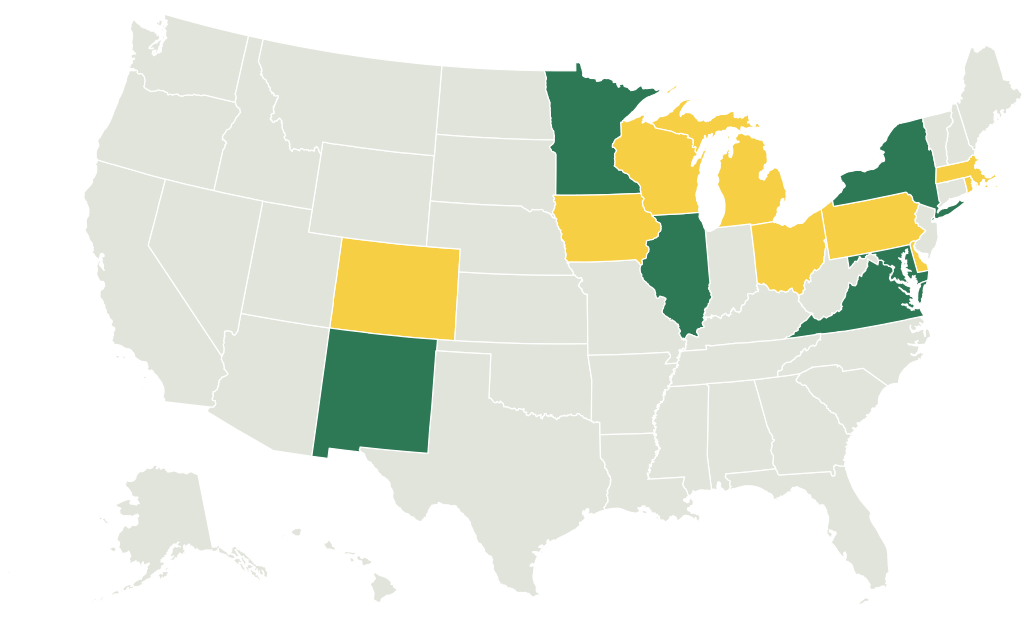
Ask us for the current starting rate for your area. Attractive sites can earn more, for example land that's close to a substation, has room on the local power lines, or is open and flat. We help you compare offers side by side. The developer pays CR. You never owe us a share of your rent.
Don't see your state? Ask us about current rates.
Check My Land - FreeTakes 2 minutes. An address, rough acreage, and a phone number are enough.
We check the location, nearby power lines, and local rules. Our free review usually takes 1-2 weeks.
We take your property to the developers best suited to it and help you weigh the offers.
Option payments start when you sign. You get a large one-time payment when construction begins, then annual rent once the solar farm is running.
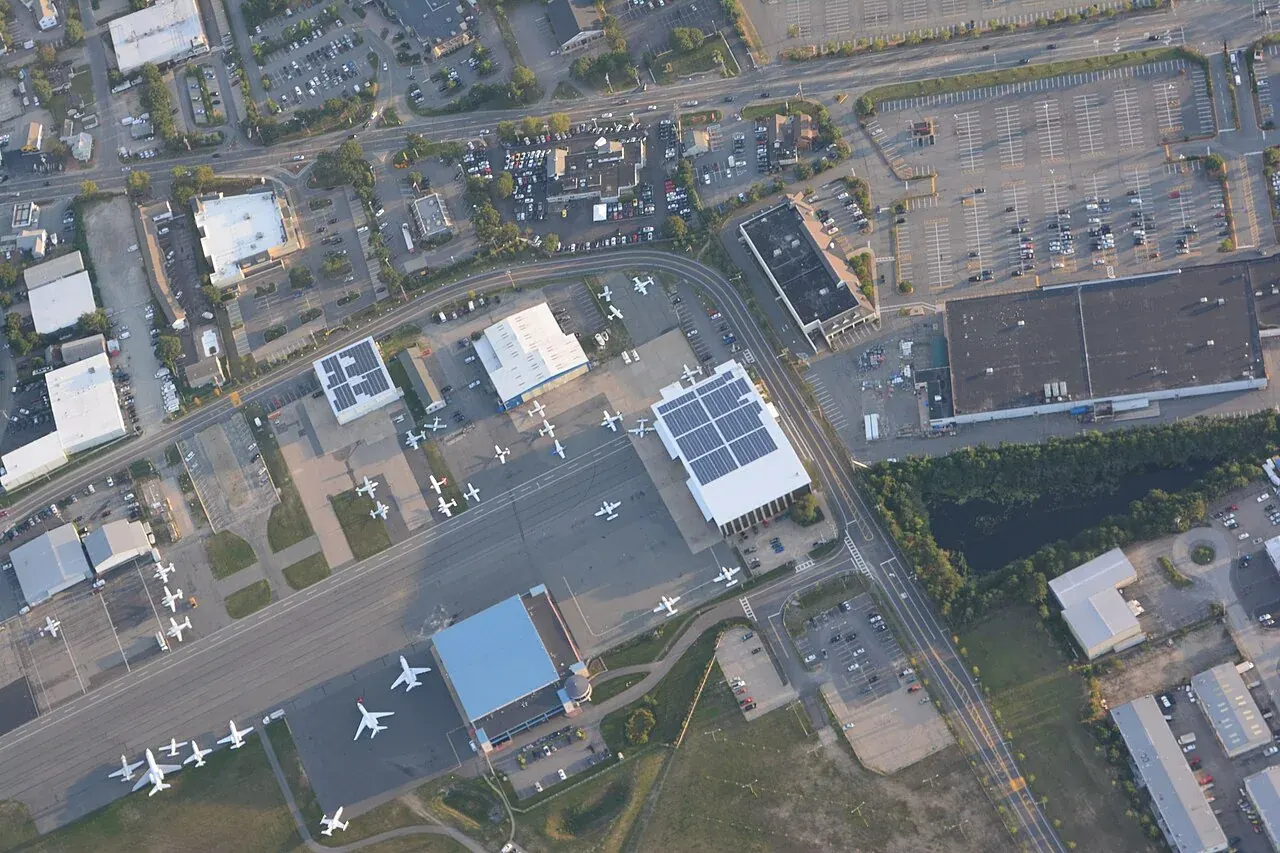
We review commercial, industrial, and school roofs for solar.
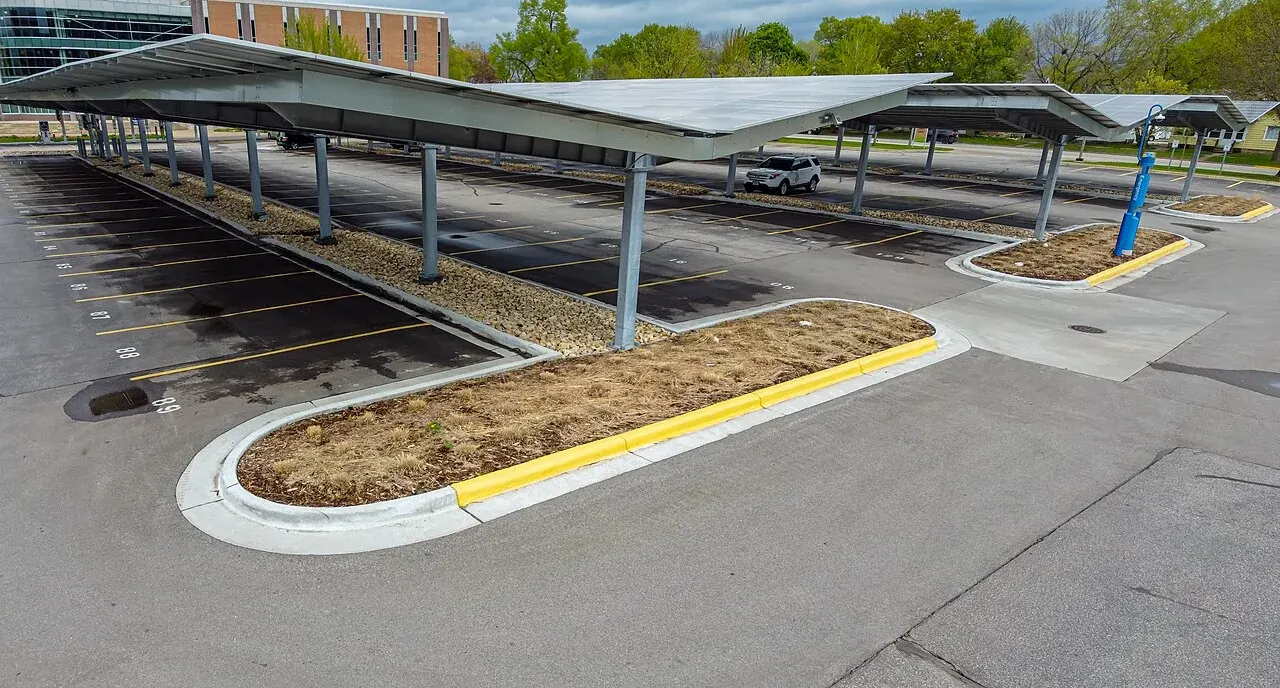
A canopy can produce solar power above an existing parking lot.
No. The developer pays our fee. You can also get up to $2,500 back for your own attorney to review the contract.
Option payments start when you sign the option. You get a large one-time payment when construction begins. Annual rent starts once the solar farm is running.
The developer pays all project-related property taxes. Your contract spells out which taxes the project creates and how the developer pays them.
The agreement ends. You keep your land and all the option payments you’ve received.
No. A lease lets you keep ownership and collect rent. If you prefer to sell, we’re open to discussing a purchase.
Potentially, yes. Tell us how much land you own and which part you’d consider leasing. We’ll ask developers to review that area.
Yes. You can keep farming during the option period while the developer seeks utility and local approvals. You’ll get advance notice before construction.
A good lease protects your drainage tile and requires the developer to repair any damage. We point out those terms when you compare offers, along with how the developer will restore the soil.
The developer must remove the equipment and restore the land. A removal bond, also called a decommissioning bond, backs that work.
We reply within one business day. Our free review usually takes 1-2 weeks. If you sign an option, the developer typically has 4-5 years to study the site and get approvals.
Our team works with you and the developer through signing. The developer handles site studies, approvals, construction, and operation of the solar farm.
Yes. Choose your own attorney to review the contract. We offer up to $2,500 in legal reimbursement.